Hybrid Cars That Feel Surprisingly Fast
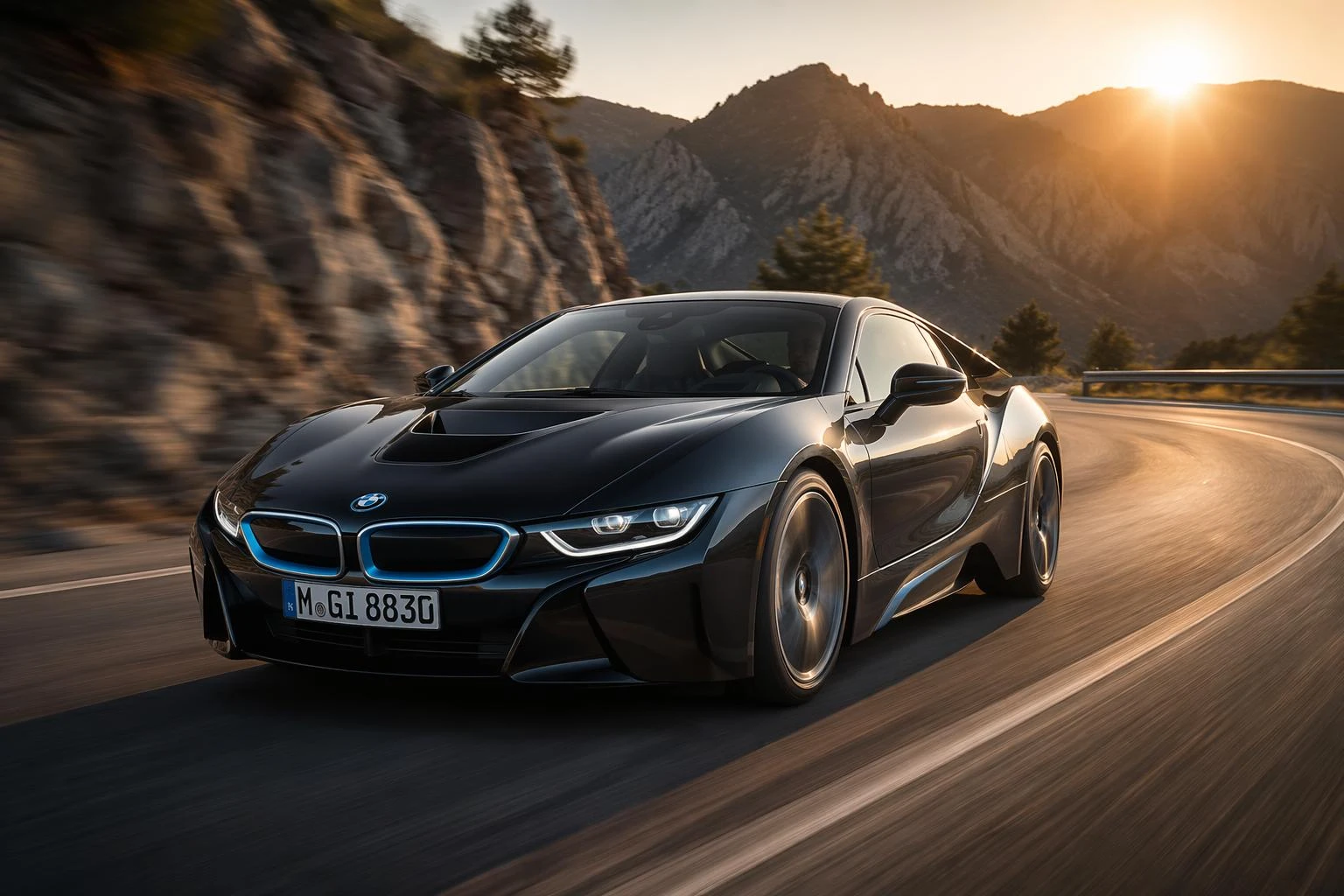
The automotive industry is changing faster than many drivers expected. Cars that were once associated with quiet commutes and fuel-saving routines are now delivering acceleration that feels genuinely thrilling on real roads. Hybrid vehicles are no longer built only for efficiency. They are engineered to create sharper throttle response, smoother power delivery, and a driving sensation that surprises even longtime performance enthusiasts. That shift is exactly why hybrid cars are dominating conversations across automotive media today.
What makes this transformation even more fascinating is how modern hybrid performance has started redefining driver expectations worldwide. Instead of sacrificing excitement for lower fuel consumption, newer hybrid models combine intelligent battery systems with aggressive acceleration tuning to create a completely different experience behind the wheel.
The Rise of Modern Hybrid Performance
The rise of hybrid vehicles is not happening quietly anymore. Automakers are aggressively pushing electrified performance into the spotlight because modern drivers want more than just horsepower figures. They want instant response, smooth acceleration, and technology that feels futuristic without becoming impractical in daily life. That growing demand is exactly why manufacturers continue investing heavily in electric speed technology, creating hybrid systems that feel sharper and more responsive than many traditional gasoline-powered cars.
Why hybrid engines feel more responsive
Hybrid engines feel more responsive because electric motors deliver torque instantly. As a result, many hybrid vehicles feel more refined and controlled compared to older gasoline cars with delayed throttle response. Automotive expert Jason Cammisa once explained that electrified drivetrains “change the sensation of speed entirely,” because drivers experience acceleration in a more direct and uninterrupted way. That statement perfectly reflects why hybrid performance feels so addictive in real-world driving situations.
Instant torque advantages in daily driving
The biggest advantage of hybrid performance appears during normal driving conditions. Instant torque delivery allows hybrid vehicles to accelerate quickly from traffic lights, merge onto highways smoothly, and overtake slower vehicles with very little effort. This is why searches related to fast hybrid sedans and responsive hybrid SUVs continue increasing online. Drivers are no longer interested only in top speed numbers. They want vehicles that feel alive during everyday use, and hybrid systems deliver exactly that kind of practicality mixed with excitement.
How automakers improve hybrid acceleration
Manufacturers are constantly improving hybrid acceleration through lighter battery packs, better cooling systems, and smarter power management software. Companies like Toyota, Honda, and BMW are refining hybrid drivetrains to deliver stronger launches and smoother high-speed performance.
Hybrid Cars Changing Driver Expectations
Hybrid vehicles are not only changing automotive technology. They are changing how people emotionally connect with cars themselves. Drivers who once expected aggressive engine sounds and heavy fuel consumption from performance cars are now discovering a completely different type of driving excitement. Modern hybrids feel cleaner, smarter, and unexpectedly fast in ways that challenge old automotive stereotypes.
Silent performance with aggressive speed
One of the strangest and most exciting aspects of hybrid cars is their silent acceleration. Without the loud engine noise typically associated with speed, acceleration often feels smoother yet more intense. That contrast creates a futuristic driving experience that many people immediately remember after their first hybrid test drive. The silence also changes how drivers perceive movement. Because there is less vibration and mechanical drama, speed feels almost effortless.
Fuel efficiency without losing excitement
For years, drivers believed performance and fuel efficiency could never truly coexist. Hybrid technology has completely changed that assumption by combining electric assistance with optimized gasoline engines that work together under different driving conditions. Regenerative braking systems help recover energy during deceleration, while electric motors assist during acceleration to reduce fuel consumption without sacrificing responsiveness.
Popular hybrid models gaining attention online
Social media platforms are filled with videos showcasing surprisingly fast hybrid launches, acceleration comparisons, and silent drag races. Vehicles like the Toyota Prius Prime, Honda Accord Hybrid, and Porsche Cayenne E-Hybrid continue attracting attention because they challenge outdated assumptions about hybrid performance.
Technology Behind Fast Hybrid Vehicles
Behind every fast hybrid vehicle is an increasingly sophisticated combination of software, battery engineering, and intelligent drivetrain management. Modern hybrid performance is no longer just about combining gasoline engines with electric motors. It is about creating seamless cooperation between multiple systems that constantly optimize acceleration, efficiency, and driving stability at the same time.
Electric motor boost systems
Electric motor boost systems are responsible for the instant acceleration many hybrid vehicles deliver today. These systems provide immediate torque during launches and overtaking situations, eliminating the delay commonly experienced in traditional turbocharged engines. Because electric motors react instantly, acceleration feels smoother and more controlled across different driving conditions.
Lightweight engineering innovations
Weight reduction plays a major role in improving hybrid speed and handling. Engineers are using aluminum structures, carbon-fiber materials, and compact battery architectures to reduce overall vehicle weight without sacrificing safety or durability. Lighter vehicles respond faster, brake more effectively, and maintain better cornering stability. That is why many newer hybrids feel unexpectedly agile despite carrying additional electrical components. Automotive engineer Adrian Newey has often emphasized that “reducing weight improves nearly every aspect of vehicle performance.” That philosophy continues influencing modern hybrid development across both racing and consumer automotive markets.
Smart driving mode integration
Modern hybrid vehicles now feature intelligent driving modes that adjust throttle sensitivity, steering feel, battery deployment, and suspension calibration depending on driving conditions. Sport modes maximize electric assistance for faster acceleration, while eco modes prioritize fuel savings during relaxed driving.
Social Media Influence on Hybrid Car Trends
Social media has accelerated the popularity of hybrid performance faster than traditional advertising campaigns ever could. Viral videos showing silent launches, rapid acceleration clips, and unexpected drag race victories continue reshaping public perception about what hybrid vehicles are capable of doing. The most interesting part is not just the speed itself, but how quickly public opinion is changing. Drivers who once ignored hybrids are now researching performance-focused electrified models, comparing acceleration figures, and discussing battery technology with the same enthusiasm once reserved only for sports cars.